

News Summary
Starting January 1, 2026, Alabama will implement stringent regulations on hemp businesses, including strict THC limits and detailed labeling rules. These changes stem from legislation aimed at managing synthetic hemp products like Delta-8 and Delta-9. Business owners may face challenges as compliance requirements increase, raising concerns about profitability and the future of small hemp enterprises. The regulations require prior approval for product packaging and impose severe penalties for non-compliance, potentially leading to significant job losses within the sector. Small business owners express worry over the impact of these new rules.
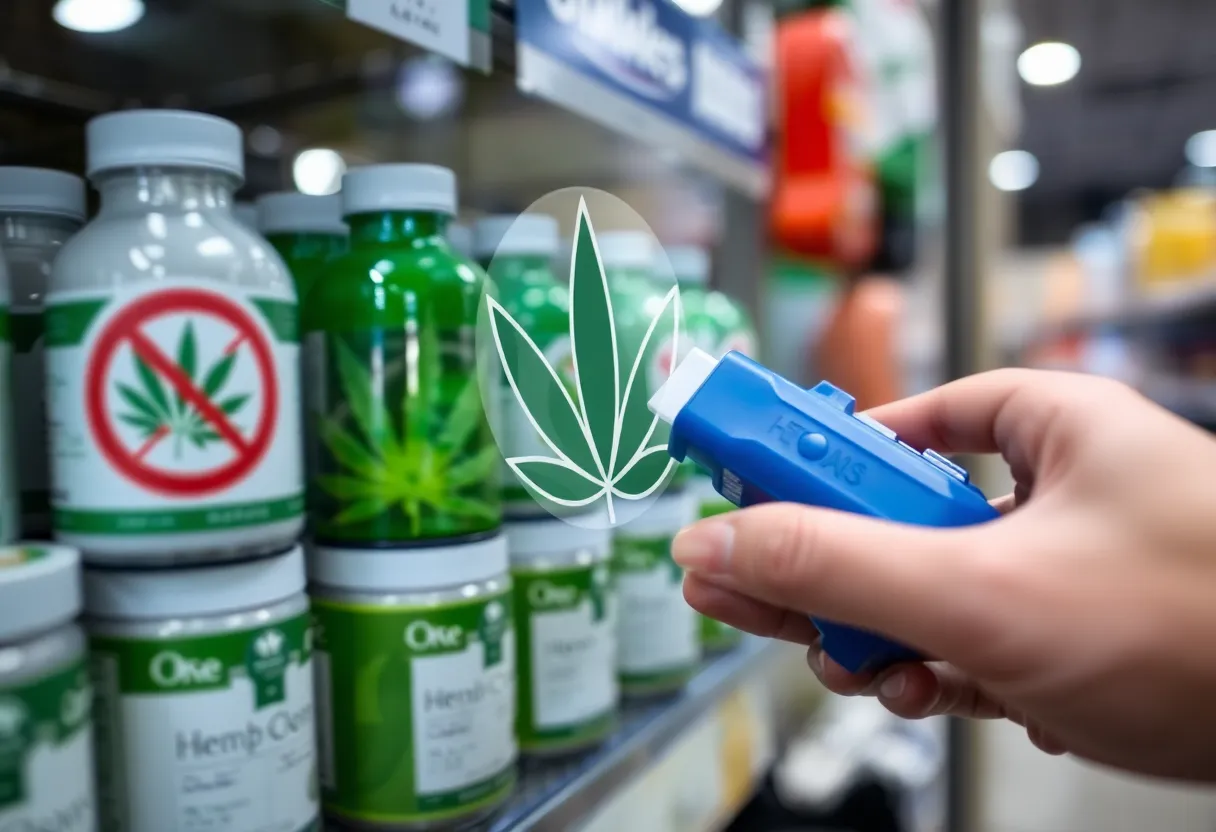
Alabama is set to implement strict regulations on hemp businesses starting January 1, 2026, following the Alabama Alcoholic Beverage Control Board (ABC) drafting new regulations during a meeting on October 9, 2025. These regulations arise from legislation passed earlier in 2025, aimed at managing synthetic hemp products, such as Delta-8 and Delta-9, marking Alabama’s first significant effort to comprehensively regulate hemp sales.
The new regulations impose strict controls on the sale of hemp products, including specified limits on THC dosage and detailed labeling requirements. Previously, the only condition for individuals purchasing hemp products was that they had to be at least 21 years old. However, under the new structure, only products with low levels of THC will be permitted for sale by licensed businesses, which may further challenge the viability of existing hemp enterprises.
Particularly notable are the restrictions on edible hemp products: each gummy will be limited to a maximum of 10 milligrams of THC and must be individually packaged. A carton of gummies will have an upper THC limit of 40 milligrams. Such measures aim to regulate consumption and prevent access among younger individuals.
If approved, the regulations would also require businesses to gain approval from the ABC Board for product packaging, which previously allowed for broader creative freedom. The new rules restrict designs that could attract minors, eliminating elements like cartoon characters and candy-inspired themes. Manufacturers must now submit label designs for ABC Board approval, alongside a fee of $50 for each label.
In the event of non-compliance, the ABC Board possesses the authority to confiscate products, affording business owners a brief period of 15 days to lodge an appeal. The regulations permit random inspections of hemp businesses by ABC Board members and law enforcement without needing a warrant, further imposing rigorous oversight of the industry.
Business owners must also obtain an approval letter from local governments to operate legally, which is causing an increasing number of municipalities, such as Prattville, Millbrook, and Pike Road, to impose moratoriums on hemp businesses. Additionally, the regulations mandate that individuals holding 10% or more equity in licensed businesses provide detailed information to the ABC Board, which reserves the right to request further details as deemed necessary.
Additionally, stricter record-keeping is required from retailers, who must maintain comprehensive documentation of all transactions, including invoices and quantities sold. They will need to file monthly tax returns, even including “zero-activity” reports during months without sales. This level of detail is aimed at ensuring compliance and tax accuracy across the industry.
While proponents might see these regulations as a necessary step towards a regulated hemp market, others, including small business owners, are concerned about the potential impact on their operations. Several small hemp businesses had already closed in anticipation of these regulations, fearing their inability to remain profitable under the new constraints. Estimates suggest that the regulations could cause as much as an 84% reduction in profitability for hemp retailers, potentially leading to significant job losses within the sector.
In the legal arena, a judge has denied a request for a temporary restraining order that would have postponed some elements of these new rules, leaving businesses scrambling to adapt to the impending changes. As Alabama gears up for these alterations in hemp regulation, the future of many small hemp businesses remains uncertain, highlighting the tension between regulatory oversight and industry viability.
Deeper Dive: News & Info About This Topic
- Alabama’s New Hemp Regulations – AL.com
- Google Search: Alabama hemp regulations
- Alabama ABC Board Expands Hemp Regulations – ABC 3340
- Encyclopedia Britannica: Hemp
- Smokable Hemp Products Now Illegal – Fox 10 TV
- Google News: Hemp laws Alabama
- Alabama THC Hemp Bill Rules – WVTM 13
- Wikipedia: Hemp


Author: STAFF HERE BIRMINGHAM WRITER
The BIRMINGHAM STAFF WRITER represents the experienced team at HEREBirmingham.com, your go-to source for actionable local news and information in Birmingham, Jefferson County, and beyond. Specializing in "news you can use," we cover essential topics like product reviews for personal and business needs, local business directories, politics, real estate trends, neighborhood insights, and state news affecting the area—with deep expertise drawn from years of dedicated reporting and strong community input, including local press releases and business updates. We deliver top reporting on high-value events such as the Sidewalk Film Festival, Sloss Music & Arts Festival, Magic City Classic, and civil rights commemorations. Our coverage extends to key organizations like the Birmingham Business Alliance and the Birmingham Civil Rights Institute, plus leading businesses in healthcare, finance, and manufacturing that power the local economy such as UAB Medicine, Regions Bank, and Encompass Health. As part of the broader HERE network, including HEREHuntsville.com, we provide comprehensive, credible insights into Alabama's dynamic landscape.