
Birmingham, January 4, 2026
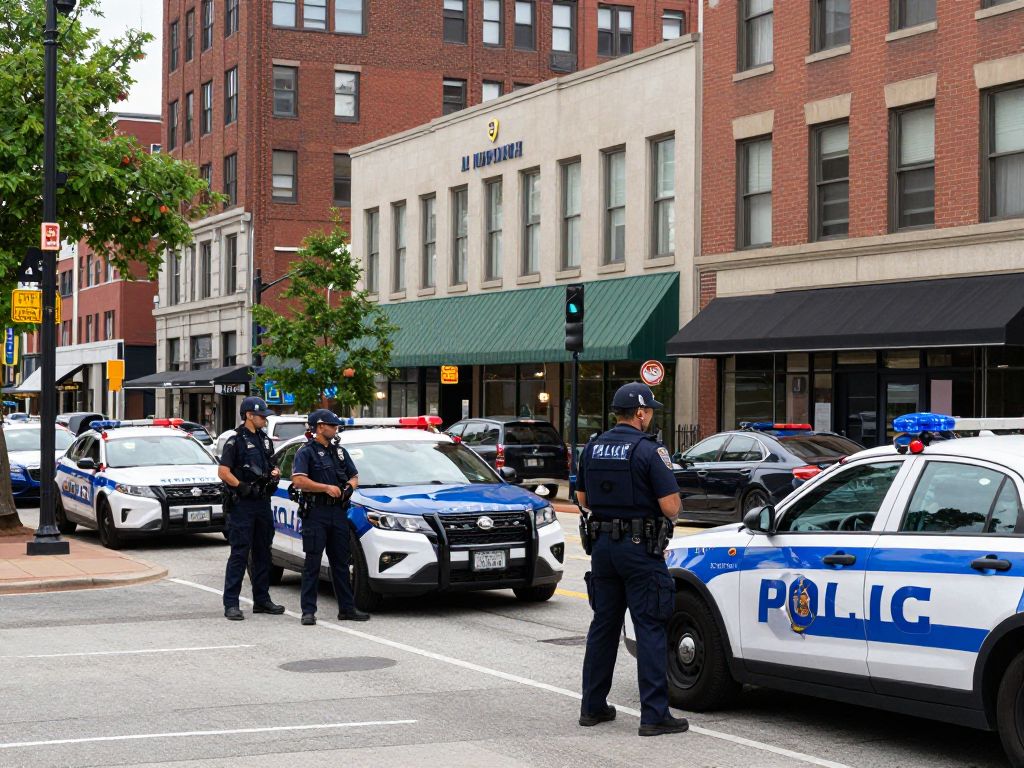
Birmingham, Alabama, has launched its Digital Fingerprint Recognition (DFR) program aimed at enhancing public safety and speeding up criminal investigations. The initiative encourages community involvement through a camera registry and real-time video sharing with law enforcement. This strategic approach addresses ongoing public safety challenges and aims to improve investigative efficiency, particularly amid staffing shortages within the police department. City officials urge local residents and businesses to participate for a safer Birmingham.
Birmingham
Birmingham, Alabama – In a pivotal development for urban safety and law enforcement efficiency, the city of Birmingham officially rolled out its new Digital Fingerprint Recognition (DFR) program on January 1, 2026. This ambitious initiative is designed to significantly bolster public safety and expedite criminal investigations, marking a proactive step by local authorities to harness advanced technological tools. The program’s core aim is to achieve swifter resolution of criminal activities and contribute to a measurable reduction in overall crime rates throughout the city.
Modernizing Law Enforcement with the DFR Program
The DFR program represents a forward-thinking approach to policing, conceived as a comprehensive public safety initiative that empowers the Birmingham Police Department to investigate criminal activity with unprecedented speed and precision. Its overarching goal is to cultivate a more secure environment for everyone who resides, works, or visits Birmingham. The program is built upon two foundational technological pillars: camera registry and camera integration.
The camera registry component invites community members and business owners to voluntarily register their existing private and commercial surveillance cameras with the police department. This voluntary act creates a vital informational network for law enforcement. Instead of officers spending critical hours canvassing neighborhoods post-incident, the registry provides immediate intelligence on where potential visual evidence might exist. While this process is fundamental to the DFR program, it is crucial to understand that registering a camera does not grant the Birmingham Police Department unsolicited or live access to private video streams. Access to footage would still typically require legal process or specific consent from the registered owner, ensuring privacy protections remain intact. The primary benefit of the registry is to rapidly identify and locate relevant surveillance systems that could hold key evidence, thereby drastically reducing the initial investigative legwork and allowing detectives to focus on analyzing pertinent information more quickly.
Complementing the registry, the camera integration aspect offers an advanced option for participating community members and business owners. They can choose to establish a system that allows for the sharing of real-time video feeds directly with the Birmingham Police Department. This level of integration can be configured based on individual privacy settings, offering flexibility to participants. The implications of real-time video sharing are profound: it can dramatically shorten police response times to active incidents, providing officers with an immediate, live view of what is unfolding on the ground. This real-time intelligence is invaluable, allowing responding officers to assess threats, understand the scope of an incident, and make more informed tactical decisions even before their arrival. This capability can lead to much faster identification of suspects, quicker apprehension, and, crucially, can prevent further harm or victimization by allowing for rapid intervention. The ability to act decisively based on live information is a significant force multiplier for the police department.
Addressing Birmingham’s Persistent Public Safety Challenges
The launch of the DFR program is particularly timely given the persistent public safety challenges confronting Birmingham. The city has been actively working to mitigate issues related to violent crime, which remains a significant concern for residents and authorities alike. A contributing factor to these challenges has been the operational strain on the Birmingham Police Department, which is currently facing a substantial staffing crisis. Reports indicate a deficit of nearly 300 officers, a significant number that impacts the department’s capacity for rapid response and thorough investigation. This shortfall has seen experienced officers, including those with three, five, nine, and even thirteen years of service, departing the force, creating a troubling gap in institutional knowledge and patrol capabilities.
In this context, the DFR initiative is not merely an enhancement but a strategic imperative. It serves as a vital tool to help bridge some of the operational gaps created by the officer shortage. By leveraging technology to provide investigators with expedited access to critical visual evidence, the program aims to augment policing capabilities and improve investigative efficiency, even with reduced manpower. This technological approach empowers the existing force, making their efforts more impactful and allowing them to cover more ground, metaphorically speaking, than would be possible through traditional methods alone. The program underscores the city’s commitment to innovation in public safety and its dedication to providing its police force with the best available tools to serve and protect the community.
City officials and law enforcement leadership are actively encouraging both individual citizens and local businesses to embrace and participate in this new public safety program. A broad base of participation in both the camera registry and camera integration is seen as essential to building a comprehensive and effective surveillance network. This collective effort is expected to contribute significantly to fostering a safer and more secure Birmingham for everyone. The DFR program represents a bold step towards a future where community involvement and cutting-edge technology converge to strengthen urban security and improve the overall quality of life for its residents.
Frequently Asked Questions (FAQ)
- What is the Digital Fingerprint Recognition (DFR) program?
- The Digital Fingerprint Recognition (DFR) program is a new public safety initiative officially rolled out in Birmingham, Alabama, on January 1, 2026, aimed at significantly bolstering public safety and expediting criminal investigations through the use of technology.
- What are the main components of the DFR program?
- The DFR program is built upon two foundational technological pillars: camera registry and camera integration.
- How does camera registry work?
- Community members and business owners can voluntarily register their existing private and commercial surveillance cameras with the police department. This creates an informational network to help investigators quickly locate potential visual evidence after a crime. Registering a camera does not grant the Birmingham Police Department unsolicited or live access to private video streams.
- What are the benefits of camera integration?
- Camera integration offers the option to share real-time video feeds directly with the Birmingham Police Department. This can dramatically shorten police response times, provide officers with a live view of unfolding incidents, assist in faster suspect identification and apprehension, and prevent further harm.
- Why was the DFR program launched?
- The DFR program was launched to address Birmingham’s persistent public safety challenges, including issues related to violent crime and a substantial staffing crisis within the Birmingham Police Department, which is facing a deficit of nearly 300 officers.
Key Features of the Digital Fingerprint Recognition (DFR) Program
| Feature | Description | Benefit | Scope |
|---|---|---|---|
| Launch Date | January 1, 2026 | New initiative to enhance public safety. | City-level |
| Core Objective | Expedite criminal investigations and reduce crime rates. | Faster resolution of criminal activities. | City-level |
| Camera Registry | Voluntary registration of existing surveillance cameras by community members and businesses. | Provides investigators with a map of available surveillance resources, reducing investigative legwork. | City-level |
| Camera Integration | Option for participants to share real-time video feeds directly with the police department. | Enables faster police response, real-time incident assessment, and quicker suspect apprehension. | City-level |
| Context for Launch | Addressing ongoing challenges of violent crime and a significant police officer shortfall in Birmingham. | Augments policing capabilities and improves investigative efficiency despite staffing limitations. | City-level |
Deeper Dive: News & Info About This Topic
HERE Resources

Author: STAFF HERE BIRMINGHAM WRITER
The BIRMINGHAM STAFF WRITER represents the experienced team at HEREBirmingham.com, your go-to source for actionable local news and information in Birmingham, Jefferson County, and beyond. Specializing in "news you can use," we cover essential topics like product reviews for personal and business needs, local business directories, politics, real estate trends, neighborhood insights, and state news affecting the area—with deep expertise drawn from years of dedicated reporting and strong community input, including local press releases and business updates. We deliver top reporting on high-value events such as the Sidewalk Film Festival, Sloss Music & Arts Festival, Magic City Classic, and civil rights commemorations. Our coverage extends to key organizations like the Birmingham Business Alliance and the Birmingham Civil Rights Institute, plus leading businesses in healthcare, finance, and manufacturing that power the local economy such as UAB Medicine, Regions Bank, and Encompass Health. As part of the broader HERE network, including HEREHuntsville.com, we provide comprehensive, credible insights into Alabama's dynamic landscape.