

Birmingham, AL, January 6, 2026
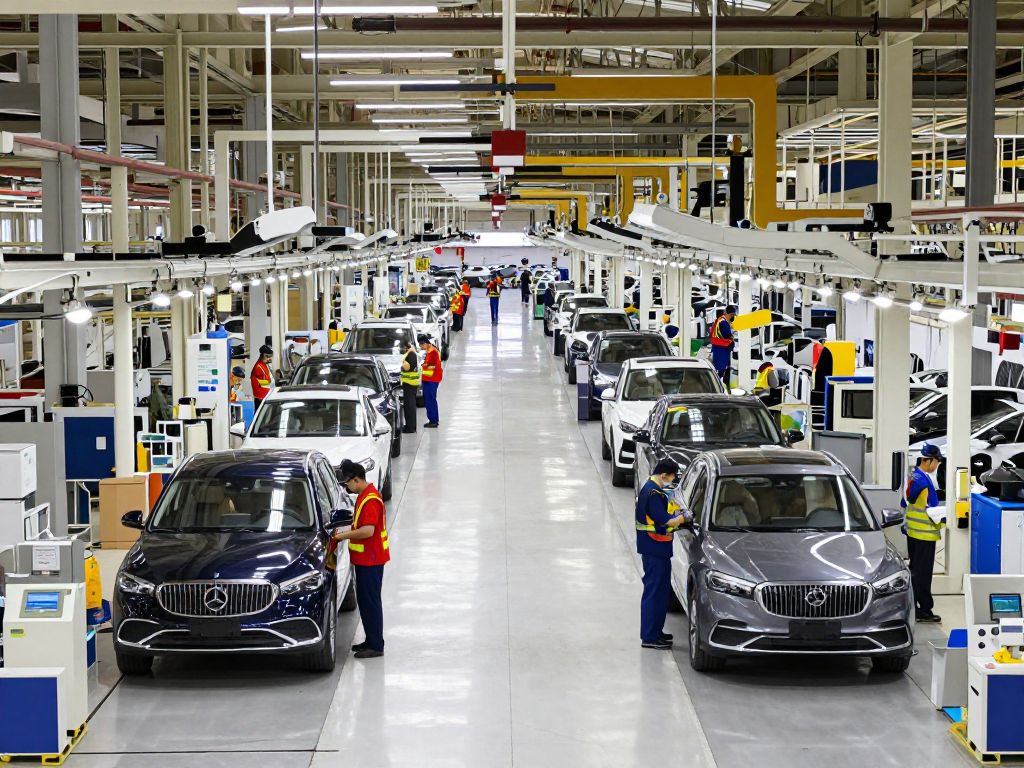
An auto manufacturing facility in Alabama has set unprecedented production records in response to new international trade tariffs. The Hyundai plant in Montgomery produced 362,000 vehicles, surpassing its previous year’s output and highlighting the state’s resilience and adaptability in the automotive sector. This significant achievement directly correlates with policy changes that favor domestic manufacturing, providing growth opportunities and economic benefits to the Birmingham area and the broader region.
Birmingham, AL –
Tariffs Steer Alabama Auto Plant to Record-Setting 2025
In a dynamic year for the global automotive sector, an Alabama auto manufacturing facility experienced unprecedented success in 2025, potentially benefiting from shifts in international trade policy that reshaped the industry landscape. This surge in production highlights the resilience and adaptability of Alabama AL entrepreneurs and the broader Birmingham AL business community within a changing economic climate.
The year 2025 was marked by significant adjustments in trade regulations, particularly the imposition of additional tariffs on imported vehicles. While such measures often spark considerable debate, their influence on domestic production appears to have yielded a notable upside for manufacturing in the Yellowhammer State, contributing positively to Alabama’s economic growth. The story of this particular plant underscores how strategic shifts in policy can, in some instances, foster local industry expansion and strengthen regional economies, creating new opportunities and reinforcing the value of homegrown enterprise.
A Policy Shift and Its Immediate Impact
On April 3, 2025, the U.S. implemented a 25% additional tariff on imported passenger vehicles and light trucks, augmenting an existing 2.5% base tariff. This Nationwide policy was introduced with the stated aim of rebalancing trade deficits and encouraging a boost in domestic manufacturing, with the goal of creating more jobs within the country.
The introduction of these tariffs created an immediate ripple effect throughout the automotive industry. Experts predicted that such tariffs would lead to higher vehicle prices for consumers and could prompt significant re-evaluations of global supply chains by automakers.
Alabama’s Manufacturing Triumph: Hyundai’s Record Year
Amidst this evolving trade environment, Hyundai’s Montgomery plant in Alabama achieved a remarkable milestone in 2025, recording its highest production numbers ever. The facility pumped out 362,000 vehicles over the year, surpassing its 2024 production figures. This impressive output underscores the robust manufacturing capabilities present in the state and the dedication of its workforce. The Montgomery plant produces several popular models for the North American market, including the Hyundai Santa Fe, Santa Fe Hybrid, Tucson, Santa Cruz, and the Genesis GV70 and Electrified GV70, demonstrating its flexibility across various vehicle types, including hybrids and electric vehicles.
Hyundai Motor Manufacturing Alabama (HMMA) has a long-standing history of significant economic contribution to the State-level economy. Since its grand opening on May 20, 2005, HMMA has built 6.2 million vehicles, assembled a workforce topping 4,000 team members, and helped the state become a national powerhouse in automotive manufacturing. The plant’s sustained contributions include an economic impact exceeding $5 billion annually and thousands of well-paying jobs for citizens. Hyundai Motor Group, which encompasses Hyundai, Kia, and Genesis, is accelerating its strategy to increase local production in response to U.S. tariff policies.
The Dynamics of Domestic Production vs. Imports
The tariffs directly influenced the cost structure of imported vehicles. For instance, the 25% tariff added approximately $6,000 to the cost of most Genesis models, 75% of which are imported from Korea. This increase in cost for imported vehicles can make domestically produced alternatives more competitive in the market, encouraging consumers to consider vehicles manufactured within the U.S.
A survey indicated that over half of car shoppers were more likely to buy an American brand due to tariffs, with that number being significantly higher for plug-in hybrid and EV buyers. This shift in consumer preference, coupled with the increased cost of imports, created a favorable environment for plants like Hyundai’s Montgomery facility, which builds models like the Genesis GV70 in the U.S., thereby avoiding the tariff on that specific model.
Broader Economic Implications and Perspectives
While the tariffs appeared to contribute to the record production at the Hyundai plant, it is important to acknowledge the multifaceted nature of such trade policies. Tariffs are designed to protect domestic industries by making foreign products more expensive and less competitive, which can lead to increased demand for locally-made goods and potentially more manufacturing jobs.
However, the broader impact of tariffs is complex. Some reports indicated that Japanese automakers were reportedly considering shutting down U.S.-based plants in response to tariffs, highlighting potential challenges for other segments of the industry. Tariffs can also lead to higher production costs for manufacturers reliant on imported components, potentially affecting overall affordability for consumers and creating uncertainty in supply chains.
Despite these complexities, Alabama’s automotive sector continues to be a robust engine for State-level economic growth, providing high-paying careers and attracting substantial investment. The State-level auto industry has attracted approximately $15 billion in investment across its assembly operations, supporting over 53,000 direct jobs. Motor vehicles rank as Alabama’s number one export category, with exports totaling $11.2 billion in 2023.
Sustaining Growth in Birmingham and Beyond
The success of Alabama’s auto plants directly contributes to the vitality of communities like Birmingham. The city itself experienced steady economic growth in 2025, driven by corporate expansions, infrastructure investments, and a strong small business ecosystem. Jefferson County saw over $400 million in economic development projects in 2025, including nearly 900 jobs with an average hourly wage of $30.60, spanning manufacturing, automotive, logistics, IT, and healthcare sectors.
Downtown Birmingham specifically saw a 1.8% increase in overall employment during the first half of 2025 compared to the first half of 2024, alongside continued residential development. The city’s focus on supporting existing industries and fostering local supply chains is crucial for sustainable economic growth and job creation, echoing themes of entrepreneurial innovation and community resilience.
Conclusion
The year 2025 demonstrated a fascinating interplay between global trade policy and local economic outcomes. For an Alabama auto plant, the imposition of tariffs on imported vehicles coincided with a record-breaking production year, showcasing the potential for domestic industries to thrive under specific regulatory conditions. While the broader economic effects of tariffs remain a subject of ongoing discussion, this particular success story highlights the strength of Alabama’s manufacturing sector and its significant contribution to the state’s and Birmingham’s economic landscape. Moving forward, a continued focus on fostering a pro-business environment, encouraging private investment, and adapting to global market dynamics will be essential for sustained Birmingham economic growth and continued success for Alabama AL entrepreneurs.
Readers are encouraged to engage with their local businesses and stay informed about the policies shaping Birmingham’s vibrant economic future.
Frequently Asked Questions
What was the specific tariff imposed on imported passenger vehicles and light trucks in 2025?
On April 3, 2025, the U.S. imposed a 25% additional tariff on imported passenger vehicles and light trucks, in addition to an existing 2.5% base tariff.
Which Alabama auto plant had its best year ever in 2025, and how many vehicles did it produce?
Hyundai’s Montgomery plant recorded higher production numbers in 2025, pumping out 362,000 vehicles over the year.
How did the 2025 tariffs affect the cost of imported Genesis models?
The 25% tariff added approximately $6000 to most Genesis models, 75% of which are imported from Korea.
Does Hyundai’s Montgomery plant produce any Genesis models in the U.S.?
Yes, the Genesis GV70 is built in the US at Hyundai’s Montgomery plant.
What was the overall economic impact of Hyundai Motor Manufacturing Alabama on the state in 2025?
Hyundai Motor Manufacturing Alabama (HMMA) has an economic impact of well over $5 billion annually to the Alabama economy.
What was the economic development activity in Jefferson County, Alabama, in 2025?
Jefferson County announced preliminary estimates that show more than $400 million in economic development projects during 2025, including nearly 900 jobs and an average hourly wage of $30.60.
Did downtown Birmingham see employment growth in 2025?
Overall downtown employment in Birmingham was up 1.8% compared to the first half of 2024, with its northside increasing by 4.9% during the first six months of 2025.
Key Features of the 2025 Auto Tariff Impact in Alabama
| Feature | Detail | Scope |
|---|---|---|
| Additional Tariff on Imports (April 3, 2025) | 25% additional tariff on imported passenger vehicles and light trucks, in addition to an existing 2.5% base tariff. | Nationwide |
| Hyundai Montgomery Plant Production (2025) | 362,000 vehicles produced, a record high for the plant. | State-level (Specific Plant) |
| Tariff Impact on Genesis Models | Approximately $6000 added to the cost of most Genesis models due to the 25% tariff. | Nationwide |
| Genesis GV70 Production Location | Built in the US, avoiding the import tariff for this model. | Nationwide (specific model) |
| Hyundai Motor Manufacturing Alabama Economic Impact | Economic impact of well over $5 billion annually to the Alabama economy, supporting thousands of well-paying jobs. | State-level |
| Jefferson County Economic Development (2025) | Over $400 million in projects, creating nearly 900 jobs with an average hourly wage of $30.60. | Local (Jefferson County) |
| Downtown Birmingham Employment Growth (H1 2025) | Overall downtown employment up 1.8% compared to H1 2024, with the northside seeing a 4.9% increase. | Local (Downtown Birmingham) |
Deeper Dive: News & Info About This Topic
HERE Resources
Local Investor Acquires ibml Headquarters for $13M
Historic Tuscaloosa’s ‘Timeless Tablescapes’ Returns
Birmingham Financial Leader Strengthens Automotive Solutions
Birmingham Voices Rise: Community Unites Against War
Birmingham Hosts the 55th Annual World of Wheels
Birmingham’s Economic Growth and Community Resilience
Japanese Billions Power Alabama’s Economic Ascent
Alabama Ranked No. 8 in Top States for Doing Business
Bill Hancock Named Alabama’s No. 1 Independent Auto Dealer
Alabama Junk Removal Expands Services and Emphasizes Sustainability

Author: STAFF HERE BIRMINGHAM WRITER
The BIRMINGHAM STAFF WRITER represents the experienced team at HEREBirmingham.com, your go-to source for actionable local news and information in Birmingham, Jefferson County, and beyond. Specializing in "news you can use," we cover essential topics like product reviews for personal and business needs, local business directories, politics, real estate trends, neighborhood insights, and state news affecting the area—with deep expertise drawn from years of dedicated reporting and strong community input, including local press releases and business updates. We deliver top reporting on high-value events such as the Sidewalk Film Festival, Sloss Music & Arts Festival, Magic City Classic, and civil rights commemorations. Our coverage extends to key organizations like the Birmingham Business Alliance and the Birmingham Civil Rights Institute, plus leading businesses in healthcare, finance, and manufacturing that power the local economy such as UAB Medicine, Regions Bank, and Encompass Health. As part of the broader HERE network, including HEREHuntsville.com, we provide comprehensive, credible insights into Alabama's dynamic landscape.