
Atlanta, September 7, 2025
News Summary
Black-owned businesses in America have faced economic challenges following the integration of the mid-20th century. While integration opened doors to new markets, it also led to a significant shift in consumer spending towards white-owned enterprises, eroding vibrant Black business districts. The article examines these historical shifts and current initiatives aimed at supporting Black entrepreneurs in fostering community resilience and economic empowerment.
City: Atlanta
In the wake of integration in the mid-20th century, Black-owned businesses across America have faced unintended economic consequences. While the dismantling of legalized segregation allowed African Americans greater access to commercial and residential areas, it also led to significant shifts in consumer spending patterns that have impacted the vitality of Black-owned enterprises.
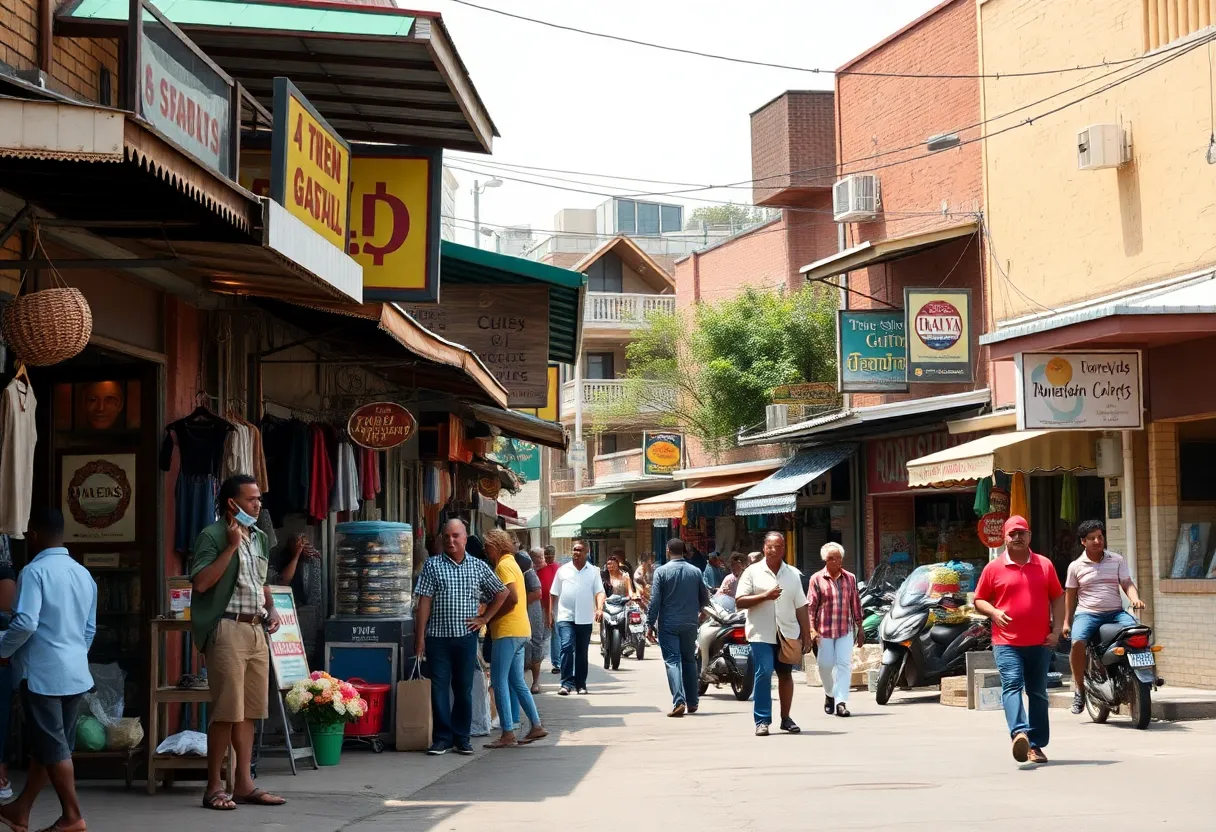
Prior to integration, segregation laws fostered dynamic Black business districts, characterized by community-focused commerce and a strong sense of cultural pride. Black entrepreneurs thrived within these areas, providing essential services such as groceries, banking, insurance, and nightlife, effectively creating self-sustaining economic ecosystems in neighborhoods where they were often the only available option.
As the doors to previously segregated markets opened, the economic behavior of Black consumers began to change. Many began to favor white-owned businesses, influenced by a social perception that these establishments were superior. This shift resulted in a decline of patronage for Black-owned businesses, leading to the erosion of iconic Black business districts across the nation.
Notable examples of this decline can be seen in several cities:
- U Street, Washington, DC: Once a vibrant hub of theaters and clubs, U Street lost its audience as middle-class Black families ventured to enjoy amenities downtown.
- Sweet Auburn Avenue, Atlanta, GA: Dubbed the “richest Negro street in the world,” it suffered a downturn as residents relocated, diminishing foot traffic.
- Fourth Avenue Business District, Birmingham, AL: This area faced customer losses as urban consumers migrated to suburban shopping malls.
- Greenwood District, Tulsa, OK: Originally a thriving business center, it weakened as integration influenced the community’s economic landscape.
- Central Avenue, Los Angeles, CA: After the removal of restrictive housing covenants, Central Avenue’s bustling jazz scene and enterprises diminished.
- Five Points, Denver, CO: Once known for commerce and cultural vibrancy, this district experienced a decline in population post-integration.
The economic performance of Black-owned businesses is affected by factors beyond market competition. Cultural biases and a legacy of systemic racism contribute to ongoing skepticism regarding the professionalism and quality of goods offered by these businesses. This perception has often dissuaded African Americans from utilizing their services, continuously impacting their economic viability.
The struggle for survival and growth among Black-owned businesses remains evident today. Many entrepreneurs face challenges in accessing investment capital, which limits their ability to expand operations or compete effectively in a broader market. Furthermore, the psychological impact of social conditioning that equates ‘better’ goods with white establishments still resonates within the community.
Amidst these challenges, Juneteenth serves as a poignant reminder of 160 years of freedom and the pursuit of economic empowerment. Current initiatives, particularly in regions like East Texas, illustrate a collective attempt by Black businesses to uplift each other and generate sustainable economic growth. Community organizations are working to connect about 1,500 Black businesses to foster mutual support and collaborative success.
The Metro Chamber of Commerce emphasizes that supporting minority businesses is vital to overall community health and prosperity. Despite historic fragility, efforts are being made to revive Black business ecosystems that were once prosperous. Moreover, gentrification and displacement pose significant challenges to historically Black business districts, underscoring the need for strategic support and interventions to bolster their resilience.
For the future, it is clear that intentional actions aimed at cultivating strong, supportive networks for Black-owned businesses are essential. By recognizing and addressing the unique barriers they face, communities can take meaningful steps to reinforce these businesses, fostering a more inclusive economic landscape.
FAQs
What were the effects of integration on Black-owned businesses?
Integration led to shifts in consumer behavior where many Black consumers began favoring white-owned establishments, leading to a decline in many historic Black business districts.
How did segregation support Black business districts?
Segregation laws created captive markets for Black businesses, allowing them to thrive by offering essential services within their communities.
What are some examples of declining Black business districts?
Examples include U Street in Washington, DC, Sweet Auburn Avenue in Atlanta, GA, and the Greenwood District in Tulsa, OK, all of which saw declines post-integration.
What are current efforts to support Black businesses?
Initiatives in areas like East Texas are bringing together hundreds of Black businesses to promote collaboration and support, with a focus on strengthening the community’s economic resilience.
| Aspect | Impact |
|---|---|
| Integration | Shifts in consumer spending towards white-owned enterprises. |
| Pre-Integration | Thriving Black business districts with community-driven commerce. |
| Community Support | Emerging collective initiatives to rejuvenate Black-owned businesses. |
| Current Challenges | Skepticism about professionalism and difficulties in accessing capital. |
Deeper Dive: News & Info About This Topic
HERE Resources
Birmingham Prepares for Competitive Mayoral Election
JPMorgan Chase Supports Alabama’s Small Businesses
Black-Owned Funeral Homes: Cultural Cornerstones Facing Challenges
New Café Opens in Downtown Birmingham
The Toasted Yolk Café Opens in Birmingham
Huntsville Small Businesses Face Lending Challenges
Birmingham Launches Small Business Week 2025
Biscuit Love Closes Cahaba Heights Location in Birmingham
Birmingham Launches Black Business Census to Empower Local Entrepreneurs
Eugene Celebrates Local Business Success Amid Challenges
Additional Resources
- KLTV: East Texans Supporting Black-Owned Businesses
- Supply Chain Brain: Integrating Climate Risk into Supply Chain Strategy
- Knox News: Gem Theatre and Black Knoxville History
- Philly Tribune: Did Integration Kill Profitable Black Businesses?
- McKinsey: Seizing the Agentic AI Advantage
- Wikipedia: Black-owned Business
- Google Search: Black-owned businesses in America
- Google Scholar: Black business history
- Encyclopedia Britannica: Black-owned Businesses
- Google News: Black owned businesses in the US


Author: STAFF HERE BIRMINGHAM WRITER
The BIRMINGHAM STAFF WRITER represents the experienced team at HEREBirmingham.com, your go-to source for actionable local news and information in Birmingham, Jefferson County, and beyond. Specializing in "news you can use," we cover essential topics like product reviews for personal and business needs, local business directories, politics, real estate trends, neighborhood insights, and state news affecting the area—with deep expertise drawn from years of dedicated reporting and strong community input, including local press releases and business updates. We deliver top reporting on high-value events such as the Sidewalk Film Festival, Sloss Music & Arts Festival, Magic City Classic, and civil rights commemorations. Our coverage extends to key organizations like the Birmingham Business Alliance and the Birmingham Civil Rights Institute, plus leading businesses in healthcare, finance, and manufacturing that power the local economy such as UAB Medicine, Regions Bank, and Encompass Health. As part of the broader HERE network, including HEREHuntsville.com, we provide comprehensive, credible insights into Alabama's dynamic landscape.