

News Summary
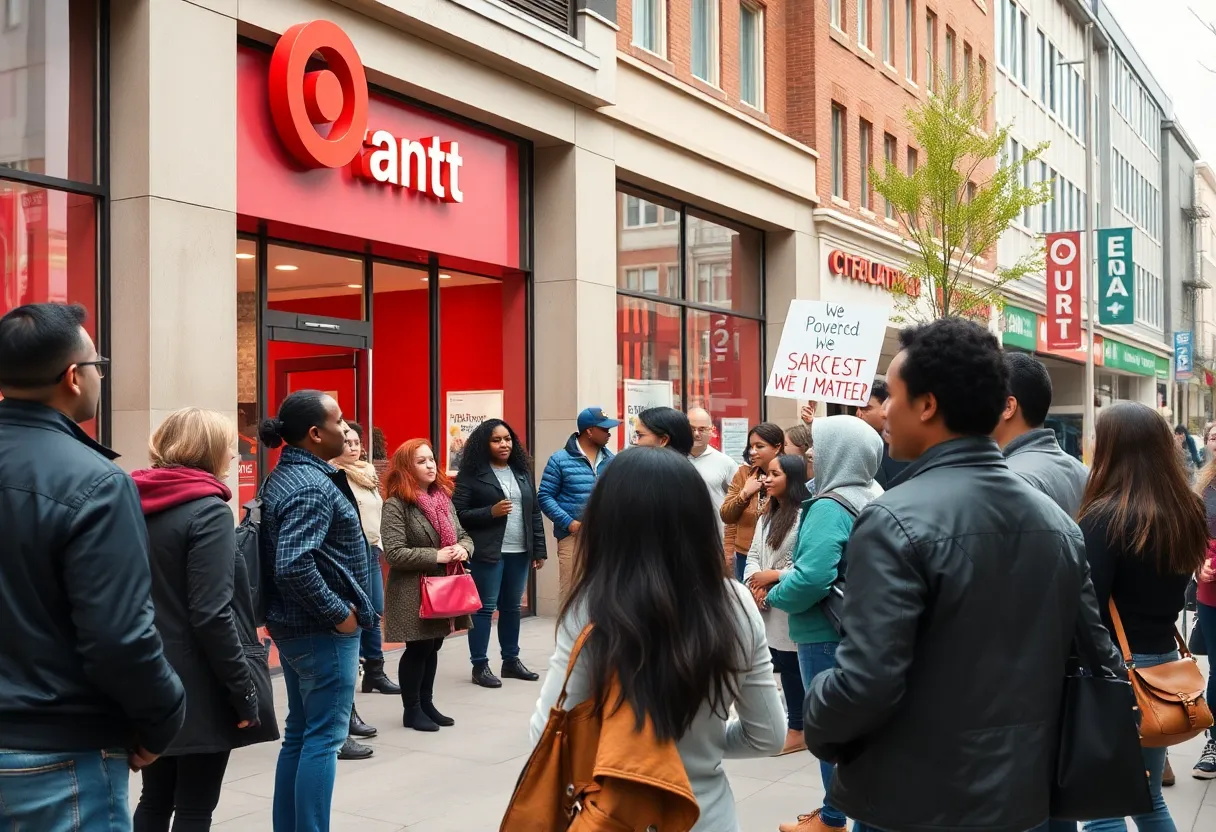
The Hoover community faces a division as activists call for a boycott of Target over the company’s rollback of Diversity, Equity, and Inclusion (DEI) initiatives. Some residents emphasize the importance of supporting local jobs, while activists see the boycott as a necessary response to corporate failures. The issue reflects broader national discussions about DEI practices in various institutions, sparking conversations about economic impact and collective advocacy for social justice.
Hoover, Alabama: Community Divided Over Boycott of Target Amid DEI Initiative Rollback
The city of Hoover is experiencing a growing divide within its community as local activists have initiated a boycott against Target following the company’s decision to rollback its Diversity, Equity, and Inclusion (DEI) initiatives. This movement, influenced by several historical precedents, has sparked discussions among residents, local leaders, and businesses regarding its implications and efficacy.
Local Perspectives on Boycott
As calls for boycott gain momentum, residents like Kevin Jackson express their continued support for shopping at Target, highlighting the significance of employment for Black workers who rely on their jobs to support families. Jackson’s comments reflect a broader sentiment among some community members who prioritize economic stability over protest.
Similarly, store employee Cayce Fox Gardner underscores the necessity of maintaining her job amid the boycott call. This illustrates the complicated dynamics where employees may feel torn between supporting social causes and sustaining their livelihoods.
Activist Response and Historical Context
Activists, including Eric Hall, a co-founder of Black Lives Matter Birmingham, view the withdrawal of DEI initiatives as a critical failure of corporations to respect the identities of their patrons. This perspective resonates with the objectives of the boycott led by figures such as Rev. Jamal Bryant and Rev. Al Sharpton, as well as grassroots movements like Cara McClure’s “Not On Our Watch,” introduced to hold corporations accountable.
The timing of the current boycott echoes historical movements in Birmingham, reminding many of the original Montgomery Bus Boycott and other campaigns that successfully drove societal change through economic pressure. According to local activists, economic influence is seen as pivotal in advocating for social justice.
Economic Impact and Customer Behavior
Notably, Target has reported a decline in customer traffic and sales, which the company attributes to a variety of factors, including seasonal changes. However, critics argue that the diminished foot traffic is a direct response to the implementation of the boycott. With reports of over 150,000 participants nationwide in the 40-day boycott urge initiated on March 5, the implications for Target’s profitability and community engagement are evident.
Broader DEI Investigations in Education and Corporate Spaces
This local dispute forms part of a more extensive national conversation regarding the future of DEI initiatives. Complaints have surfaced against institutions like the University of Alabama at Birmingham (UAB) regarding race-based scholarships and segregation, prompting investigations by the U.S. Department of Education. Similar investigations are also active across various educational institutions, noting increased scrutiny surrounding DEI practices.
The Path Forward: Advocacy and Collective Action
Local leaders such as Bishop Calvin Woods emphasize that beyond the boycott, spiritual and community support are crucial for the success of protests, recalling the historical significance of faith in civil rights movements. Meanwhile, Rev. Arthur Price advocates for not just activism through boycotts, but also for policy advocacy to ensure sustainable changes in corporate and institutional practices.
The current movement illustrates an ongoing need for awareness of the economic power within the African American community, emphasizing collective action as a vital component of social justice endeavors.
Deeper Dive: News & Info About This Topic
HERE Resources
Additional Resources
- Birmingham Times: Birmingham Set the Standard for Boycotts
- Wikipedia: Diversity, Equity, and Inclusion
- Montgomery Advertiser: Who Is Behind the Target 40-Day Boycott
- Google Search: Target boycott
- AL.com: UAB Not University of Alabama Target of Education Department DEI Investigation
- Google Scholar: Boycotts in Corporate Social Responsibility
- New York Times: Opinion on Target Boycott
- Encyclopedia Britannica: Civil Rights Movement
- Blavity: Target DEI Goals
- Google News: Diversity Equity Inclusion Initiatives
- Word in Black: Target Fast for Lent by Black Shoppers


Author: STAFF HERE BIRMINGHAM WRITER
The BIRMINGHAM STAFF WRITER represents the experienced team at HEREBirmingham.com, your go-to source for actionable local news and information in Birmingham, Jefferson County, and beyond. Specializing in "news you can use," we cover essential topics like product reviews for personal and business needs, local business directories, politics, real estate trends, neighborhood insights, and state news affecting the area—with deep expertise drawn from years of dedicated reporting and strong community input, including local press releases and business updates. We deliver top reporting on high-value events such as the Sidewalk Film Festival, Sloss Music & Arts Festival, Magic City Classic, and civil rights commemorations. Our coverage extends to key organizations like the Birmingham Business Alliance and the Birmingham Civil Rights Institute, plus leading businesses in healthcare, finance, and manufacturing that power the local economy such as UAB Medicine, Regions Bank, and Encompass Health. As part of the broader HERE network, including HEREHuntsville.com, we provide comprehensive, credible insights into Alabama's dynamic landscape.