
Birmingham, AL, July 29, 2025
News Summary
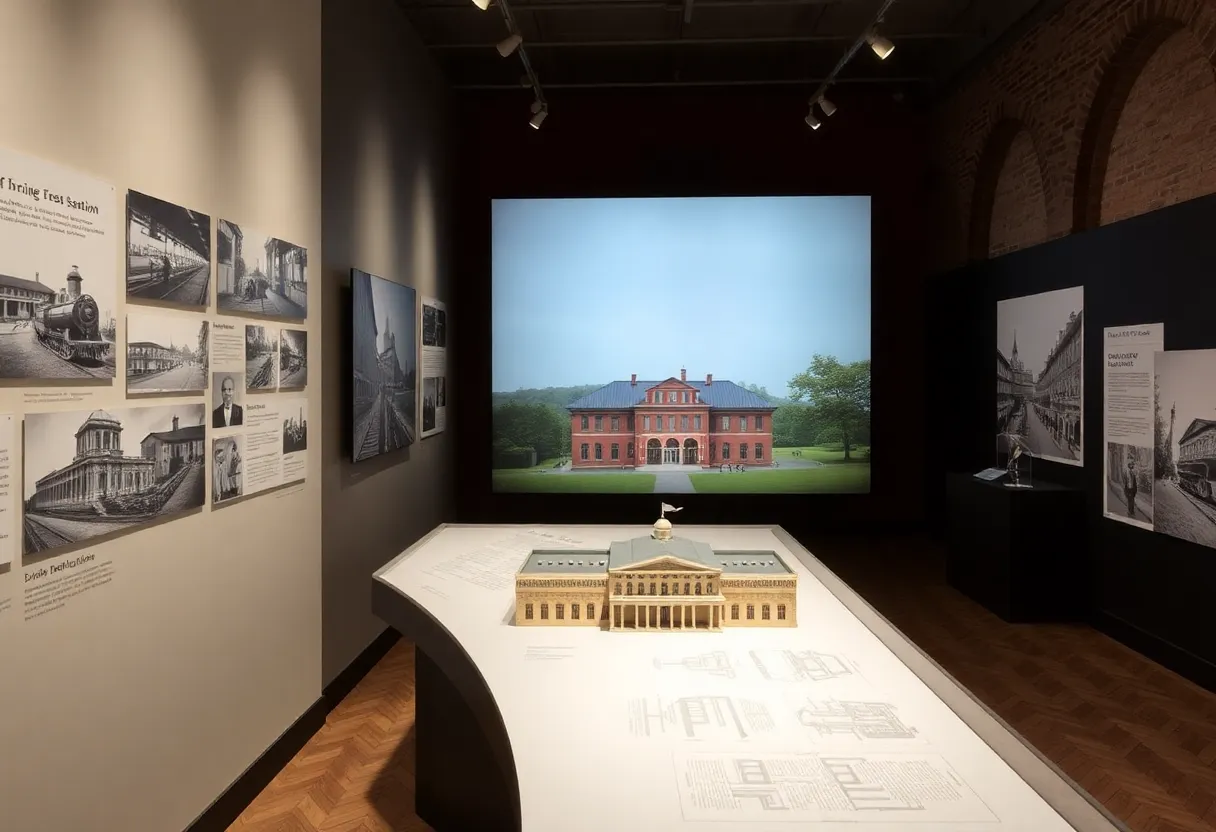
The Leeds Railroad Depot will unveil ‘Terminal Station: Birmingham’s Great Temple of Travel’ on August 2, showcasing the architectural history of Birmingham’s former Terminal Station. This exhibit includes historic materials and an eight-foot scale model, honoring the station’s significance as a key rail hub before its demolition in 1969. A ribbon-cutting ceremony will take place on August 1 at 10 AM, inviting visitors to explore the stories and memories associated with this iconic landmark.
Birmingham, AL – An educational exhibit titled “Terminal Station: Birmingham’s Great Temple of Travel” is set to debut at the Leeds Railroad Depot, commemorating the architectural and historical significance of Birmingham’s former Terminal Station. The exhibit will officially open to the public on August 2, accompanied by a special ribbon-cutting ceremony on August 1 at 10 AM.
Birmingham Terminal Station was a grand facility constructed in 1909, located at the eastern end of 5th Avenue North in downtown Birmingham. Spanning two city blocks, it served as the primary arrival point for travelers at its peak during the early 20th century. At its height, the station handled 85 to 90 trains daily, underlining the city’s critical role as a rail hub.
As air travel and automobile transportation gained popularity, Birmingham Terminal Station began to decline, ultimately falling into neglect. The station’s demise culminated in its demolition in 1969, an event that sparked outcry among local preservationists and motivated efforts to honor and preserve its legacy. Today, only one remnant of the Terminal Station remains: the Fifth Avenue North tunnel, which was used by streetcars.
The architect of this remarkable structure, Philip Thornton Marye, also designed significant landmarks such as Highlands Methodist Church and the Gulf, Mobile and Ohio Passenger Terminal. The design of Birmingham Terminal Station featured distinct influences from Istanbul’s Hagia Sophia, showcasing the prominent architectural trends of the time, including two 130-foot towers and a vast central waiting room of 7,600 square feet adorned with intricate tilework.
The original version of the exhibit premiered at Vulcan Park & Museum in 2019, and the new display promises to delve deeper into the station’s legacy. It will highlight a range of historic materials including drawings, photographs, postcards, and a handmade eight-foot scale model of the Terminal Station created by artisan Gene Clements, meticulously designed to a 1:48 scale.
The significance of the Birmingham Terminal Station goes beyond its physical structure; it is a reflection of the city’s growth during a transformative era in American history. The station marked a pivotal moment for Birmingham, raising awareness about the importance of historic preservation in urban settings as local advocates mourned the loss of such an iconic landmark.
Following the ribbon-cutting, attendees will be welcomed with introductory remarks and refreshments during the public opening on August 2. This exhibit aims to educate visitors about the history and architectural beauty of what was once considered the heart of Birmingham’s rail travel.
Today, while the original station may not exist, the memories and stories it fostered continue to resonate within the community. The new exhibit at Leeds Railroad Depot is a testament to these shared histories and the enduring appreciation for Birmingham’s architectural past.
FAQ
When does the exhibit open to the public?
The exhibit opens to the public on August 2 at 10 AM.
What materials will be featured in the exhibit?
The exhibit will showcase historic drawings, photographs, postcards, and an eight-foot scale model of the Terminal Station.
Who designed the original Birmingham Terminal Station?
The architect of Birmingham Terminal Station was Philip Thornton Marye.
What was the significance of Birmingham Terminal Station?
Birmingham Terminal Station served as a key arrival point for rail travel and represented the city’s historical significance as a rail hub.
When was Birmingham Terminal Station demolished?
Birmingham Terminal Station was demolished in 1969.
Key Features of the Exhibit
| Feature | Description |
|---|---|
| Exhibit Title | Terminal Station: Birmingham’s Great Temple of Travel |
| Location | Leeds Railroad Depot |
| Opening Dates | Ribbon-Cutting: August 1 Public Opening: August 2 |
| Architect | Philip Thornton Marye |
| Original Construction Year | 1909 |
| Size of Waiting Room | 7,600 square feet |
| Scale Model Size | Eight-foot, 1:48 scale model |
Deeper Dive: News & Info About This Topic
HERE Resources
Atlantic Aviation Launches Major Expansion at Birmingham Airport
Birmingham’s Nostalgic Journey: A Look Back at Childhood Memories from the 1950s and 1960s
Additional Resources
- Bham Now: New Birmingham Terminal Station Exhibit Opening
- Wikipedia: Birmingham Terminal Station
- AL.com: Birmingham’s Iconic Terminal Station
- Google Search: Birmingham Terminal Station
- 280 Living: Terminal Station Exhibit at Vulcan Museum
- Encyclopedia Britannica: Transportation in Birmingham


Author: STAFF HERE BIRMINGHAM WRITER
The BIRMINGHAM STAFF WRITER represents the experienced team at HEREBirmingham.com, your go-to source for actionable local news and information in Birmingham, Jefferson County, and beyond. Specializing in "news you can use," we cover essential topics like product reviews for personal and business needs, local business directories, politics, real estate trends, neighborhood insights, and state news affecting the area—with deep expertise drawn from years of dedicated reporting and strong community input, including local press releases and business updates. We deliver top reporting on high-value events such as the Sidewalk Film Festival, Sloss Music & Arts Festival, Magic City Classic, and civil rights commemorations. Our coverage extends to key organizations like the Birmingham Business Alliance and the Birmingham Civil Rights Institute, plus leading businesses in healthcare, finance, and manufacturing that power the local economy such as UAB Medicine, Regions Bank, and Encompass Health. As part of the broader HERE network, including HEREHuntsville.com, we provide comprehensive, credible insights into Alabama's dynamic landscape.